Stop buying laundry detergent

My cousin, Debbie, gave me this recipe for laundry detergent, so I made some. (it's a lot easier than it sounds)
She said it's exactly the ingredients detergent companies use but without all the color and sent additives. She pointed out that the companies use the chemical names so you won't realize how cheap it is to produce laundry detergent.

You need:
A 3lb box of Arm & Hammer Super Washing Soda: abt $5 @ Walmart and Target
A 4lb box of 20 Mule Team Borax: abt $5 @ Walmart and Target
Dr Bonner’s pure Castile soap: abt $4.50 per bar, or just as good, Kirk’s Castile: about $2/bar. Also @ Walmart and Target.
A 5 gallon bucket w/lid: $3-$4 @ Home Depot, Lowe’s, and other home improvement and hardware stores, but also Walmart.

Directions:
Grate 1 bar of the soap (about 1 cup) into a medium saucepan
Add 4 cups of hot water
Stir over low heat until soap is dissolved (abt 10 minutes). Do not let it boil.
Fill the 5gal bucket half-full with the hottest water your sink or tub faucet will give you.
Pour the melted soap mixture into the bucket and stir in 1 cup of the washing soda and 1 cup of the Borax.

Stir until the mixture begins to thicken: abt 2 minutes. (I used the handle of a toilet plunger)

Finish filling the bucket with cold water, snap on the lid, and allow it to sit overnight.

The detergent will thicken to a semi-translucent gel. You only need about a half-cup of gel per full load of laundry.

5 gallons will wash about 300 loads. Purportedly one year of laundry for an average family of 4.

Total cost including one-time purchase of reusable bucket is around $20. But for a while after that, you just need a bar of Castile soap until you use up the boxes of washing soda and Borax.

Before I made our own, I was paying around $15 every few months or so for the large jug of detergent: about $45 to $60 a year. Michelle has work uniforms and school clothes, so we usually do laundry twice a week. Our 5-gallon bucket of home-made detergent has lasted over a year and 1/2 so far.

Also, I don’t buy dishsoap anymore, either, because you can use this detergent for dishes (and also cars).
 
Me personally- the convenience of ready made detergent outweighs the cost savings of making my own.
Valid. And I know it sounds like a chore, but it's easy and only takes about 15-20 minutes. Buying the ingredients is the most bothersome part.

Also, most seniors probably don't have to do laundry but twice a month. 'specially if they're single. First time I made it was an experiment, but I'm going to make it again.
 
I doubt that it will be less expensive. I read that you can also just use vinegar, but haven't tried that.

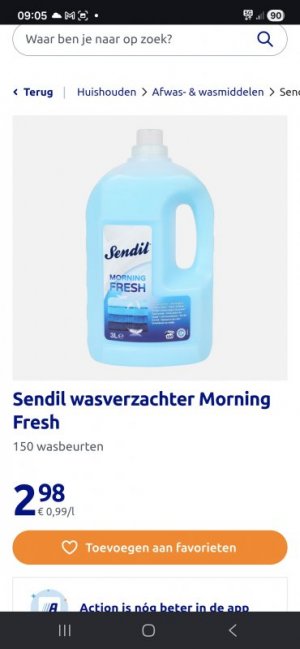
The cheapest is 1 euro for 1 liter.

Screenshot_20260513_090541_Chrome.jpg
 
I used a very similar detergent recipe for several years but mine was a dry recipe, and finally realized that a residue buildup was collecting in the piping drains.

The main concern is the bar soap, not the borax or washing soda. Castile soap is a true soap made from fats/oils. True soaps react with minerals in water (especially hard water) and form soap scum. Soap scum can stick to washer drums, hoses, standpipes, household drain pipes.

Commercial laundry detergents are usually synthetic detergents rather than true soaps specifically because they rinse cleaner and leave less residue.

The recipe posted has several things that can contribute to buildup. Grated bar soap is the biggest issue. Even dissolved, it can re-solidify somewhat in cooler pipes. Many people use cold cycles now. Soap residue is worse in cold water. Caution if you have an HE washer. HE machines use very little water, so soap concentration stays higher and rinsing is weaker. If you have hard water such as if your water has calcium or magnesium, soap scum formation increases dramatically.

A lot of plumbers and appliance techs dislike homemade soap-based laundry mixes for these reasons. Again, Borax and washing soda themselves are generally water-soluble and less likely to create pipe sludge. The soap is the culprit.

Homemade soap laundry mixes often work better in older top-load washers than modern HE front-loaders. Older machines used much more water and flush residue better.

If someone still wants to use a homemade formula, these changes reduce problems: Use much less soap, wash warm or hot occasionally. And you can even try using a vinegar technique now and then. A periodic hot vinegar maintenance wash is commonly recommended even for regular detergents. Hot or sanitize cycle, 2–4 cups of white vinegar, extra rinse if available.

Some additional cautions perhaps, since I'm overthinking it LoL ... Using this mixture as dish soap is not ideal. True soap can leave film on dishes, and borax is not something most people want repeatedly contacting eating surfaces in concentrated homemade mixtures. For cars, Castile soap alone is usually safer than the whole laundry mix because washing soda can strip wax, unless maybe if that's what you want to do.

A simpler low-residue homemade approach some people use but I haven't tried and can't recommend or provide an exact specific recipe is washing soda, oxygen cleaner, very small amount of liquid soap, rather than heavy grated-bar-soap recipes.

Like I said, I used a homemade laundry detergent recipe for years (just washing for me alone) before I noticed I was inching toward a plumbing problem. Just something to think about and keep an eye on. I just went back to commercial detergents.

EDIT: And if you take your wash out to a laundromat rather than use your own appliances, guess it doesn't matter what you use maybe.
 
I used a very similar detergent recipe for several years but mine was a dry recipe, and finally realized that a residue buildup was collecting in the piping drains.

The main concern is the bar soap, not the borax or washing soda. Castile soap is a true soap made from fats/oils. True soaps react with minerals in water (especially hard water) and form soap scum. Soap scum can stick to washer drums, hoses, standpipes, household drain pipes.

Commercial laundry detergents are usually synthetic detergents rather than true soaps specifically because they rinse cleaner and leave less residue.

The recipe posted has several things that can contribute to buildup. Grated bar soap is the biggest issue. Even dissolved, it can re-solidify somewhat in cooler pipes. Many people use cold cycles now. Soap residue is worse in cold water. Caution if you have an HE washer. HE machines use very little water, so soap concentration stays higher and rinsing is weaker. If you have hard water such as if your water has calcium or magnesium, soap scum formation increases dramatically.

A lot of plumbers and appliance techs dislike homemade soap-based laundry mixes for these reasons. Again, Borax and washing soda themselves are generally water-soluble and less likely to create pipe sludge. The soap is the culprit.

Homemade soap laundry mixes often work better in older top-load washers than modern HE front-loaders. Older machines used much more water and flush residue better.

If someone still wants to use a homemade formula, these changes reduce problems: Use much less soap, wash warm or hot occasionally. And you can even try using a vinegar technique now and then. A periodic hot vinegar maintenance wash is commonly recommended even for regular detergents. Hot or sanitize cycle, 2–4 cups of white vinegar, extra rinse if available.

Some additional cautions perhaps, since I'm overthinking it LoL ... Using this mixture as dish soap is not ideal. True soap can leave film on dishes, and borax is not something most people want repeatedly contacting eating surfaces in concentrated homemade mixtures. For cars, Castile soap alone is usually safer than the whole laundry mix because washing soda can strip wax, unless maybe if that's what you want to do.

A simpler low-residue homemade approach some people use but I haven't tried and can't recommend or provide an exact specific recipe is washing soda, oxygen cleaner, very small amount of liquid soap, rather than heavy grated-bar-soap recipes.

Like I said, I used a homemade laundry detergent recipe for years (just washing for me alone) before I noticed I was inching toward a plumbing problem. Just something to think about and keep an eye on. I just went back to commercial detergents.

EDIT: And if you take your wash out to a laundromat rather than use your own appliances, guess it doesn't matter what you use maybe.
This is why you use either Dr Bonner's or Kirk's Castile soap. I asked the appliance manager about this formula when we bought our new washer and dryer a few years ago. He said it will likely keep the drum, agitator, and drain system cleaner than regular detergents will.

I used it in my mini camper washer. Not quite the same animal, of course, but I used it for years and never had to clean the drain hose or anything. (except lint from the filter)

My Gramma always added a cup of vinegar to her wash. She said it removed soap residue. She got her first automatic washer back in the early 40s. I suspect the vinegar was manufacturer-recommended, intended for the machine.
 
I used a very similar detergent recipe for several years but mine was a dry recipe, and finally realized that a residue buildup was collecting in the piping drains.

The main concern is the bar soap, not the borax or washing soda. Castile soap is a true soap made from fats/oils. True soaps react with minerals in water (especially hard water) and form soap scum. Soap scum can stick to washer drums, hoses, standpipes, household drain pipes.

Commercial laundry detergents are usually synthetic detergents rather than true soaps specifically because they rinse cleaner and leave less residue.

The recipe posted has several things that can contribute to buildup. Grated bar soap is the biggest issue. Even dissolved, it can re-solidify somewhat in cooler pipes. Many people use cold cycles now. Soap residue is worse in cold water. Caution if you have an HE washer. HE machines use very little water, so soap concentration stays higher and rinsing is weaker. If you have hard water such as if your water has calcium or magnesium, soap scum formation increases dramatically.

A lot of plumbers and appliance techs dislike homemade soap-based laundry mixes for these reasons. Again, Borax and washing soda themselves are generally water-soluble and less likely to create pipe sludge. The soap is the culprit.

Homemade soap laundry mixes often work better in older top-load washers than modern HE front-loaders. Older machines used much more water and flush residue better.

If someone still wants to use a homemade formula, these changes reduce problems: Use much less soap, wash warm or hot occasionally. And you can even try using a vinegar technique now and then. A periodic hot vinegar maintenance wash is commonly recommended even for regular detergents. Hot or sanitize cycle, 2–4 cups of white vinegar, extra rinse if available.

Some additional cautions perhaps, since I'm overthinking it LoL ... Using this mixture as dish soap is not ideal. True soap can leave film on dishes, and borax is not something most people want repeatedly contacting eating surfaces in concentrated homemade mixtures. For cars, Castile soap alone is usually safer than the whole laundry mix because washing soda can strip wax, unless maybe if that's what you want to do.

A simpler low-residue homemade approach some people use but I haven't tried and can't recommend or provide an exact specific recipe is washing soda, oxygen cleaner, very small amount of liquid soap, rather than heavy grated-bar-soap recipes.

Like I said, I used a homemade laundry detergent recipe for years (just washing for me alone) before I noticed I was inching toward a plumbing problem. Just something to think about and keep an eye on. I just went back to commercial detergents.

EDIT: And if you take your wash out to a laundromat rather than use your own appliances, guess it doesn't matter what you use maybe.
Sounds about right @Naturally.
Machines are way different than they used to be.

I have a Warning about using too much vinegar in your washer.

When I lived in my big house I used vinegar a lot to clean. Caused me a lot of grief.
The plumber said the vinegar ate up my pipes and causes some to rust! Mostly under the sinks.
Vinegar will eventually eat through other things as well.

Now I use vinegar sparingly.
I use other supposedly safer products.
🧼
 
Sounds about right @Naturally.
Machines are way different than they used to be.

I have a Warning about using too much vinegar in your washer.

When I lived in my big house I used vinegar a lot to clean. Caused me a lot of grief.
The plumber said the vinegar ate up my pipes and causes some to rust! Mostly under the sinks.
Vinegar will eventually eat through other things as well.

Now I use vinegar sparingly.
I use other supposedly safer products.
🧼
Ha! I just mentioned vinegar. I think you're supposed to dilute it, but I've never used it in my washer.
 
What's in it?

Actually, I bet I can find out online.
edit: Nope.
Which fabric softener is free of harmful substances?

AI Overview

Fabric softener without 'junk' (synthetic substances, microplastics, perfume) can be found in natural, plant-based, and hypoallergenic brands.

For a 100% natural, affordable alternative, white natural vinegar works excellently to soften laundry and remove residue.
 
Which fabric softener is free of harmful substances?

AI Overview

Fabric softener without 'junk' (synthetic substances, microplastics, perfume) can be found in natural, plant-based, and hypoallergenic brands.

For a 100% natural, affordable alternative, white natural vinegar works excellently to soften laundry and remove residue.
Yeah, I don't use fabric softener or detergents that contain fabric softener.
Or dryer sheets, either. They feel gunky.
 
Which fabric softener is free of harmful substances?

AI Overview

Fabric softener without 'junk' (synthetic substances, microplastics, perfume) can be found in natural, plant-based, and hypoallergenic brands.

For a 100% natural, affordable alternative, white natural vinegar works excellently to soften laundry and remove residue.
This is what I use Downy Free and Gentle Fabric Softener.
It is not plant based or organic though.
Dryer sheets are not recommended.

I warned ya about the vinegar. I went through a lot of repairs because of it.

Do Not trust AI. Find out from other online sources.
 
Yeah, I don't use fabric softener or detergents that contain fabric softener.
Or dryer sheets, either. They feel gunky.
I just got a new washer and dryer. I noticed that there was no lint in the dryer trap. Looked it up on YouTube and they said dryer sheets would cause that and it's not a good thing. The lint may be going somewhere else and it's caused by dryer sheets.
Never had that problem before but I immediately stopped using them.....and the lint is back!
 
Vinegar will eat through or damage surfaces that are porous, delicate, or chemically reactive to acid.
Specifically, it can corrode metal surfaces like aluminum, brass, iron, and copper, as well as pit
stainless steel if left to soak.
It also damages natural stone (such as marble and granite) and wood finishes by stripping protective
layers or etching the surface.

Beyond surfaces, vinegar can degrade rubber components,
including appliance gaskets and seals, and may ruin the protective coating on electronics screens.
Additionally, it can strip the seasoning from cast iron cookware and is harmful to certain washing machine parts
if used regularly in high concentrations.

It will also eat up your clothes.
 
Vinegar will eat through or damage surfaces that are porous, delicate, or chemically reactive to acid.
Specifically, it can corrode metal surfaces like aluminum, brass, iron, and copper, as well as pit
stainless steel if left to soak.
It also damages natural stone (such as marble and granite) and wood finishes by stripping protective
layers or etching the surface.

Beyond surfaces, vinegar can degrade rubber components,
including appliance gaskets and seals, and may ruin the protective coating on electronics screens.
Additionally, it can strip the seasoning from cast iron cookware and is harmful to certain washing machine parts
if used regularly in high concentrations.

It will also eat up your clothes.
Did a laundry detergent company publish that? ;)
 
I just got a new washer and dryer. I noticed that there was no lint in the dryer trap. Looked it up on YouTube and they said dryer sheets would cause that and it's not a good thing. The lint may be going somewhere else and it's caused by dryer sheets.
Never had that problem before but I immediately stopped using them.....and the lint is back!
Two appliance guys at 2 different Home Depot stores told me they leave a film on everything.
 
Did a laundry detergent company publish that? ;)
I looked the vinegar thing up online.

However...I know from a past experience...I had to replace the pipes and all the fixtures under my kitchen sink, a bathroom sink and the laundry room. Who knows what damage it did other places.
The vinegar ate right through it all.

Goodnight All...actually 6 am here. I was up all night again.
🤗
 
This is what I use Downy Free and Gentle Fabric Softener.
It is not plant based or organic though.
Dryer sheets are not recommended.

I warned ya about the vinegar. I went through a lot of repairs because of it.

Do Not trust AI. Find out from other online sources.
Natural vinegar? I always throw it in the machine. I have heard more people say it.

https://www.maxvandaag.nl/sessies/t...de-wasmachine-deze-voor-en-nadelen-heeft-dat/

Many people add vinegar while washing laundry in the washing machine.

**Benefits of vinegar in the washing machine**
Vinegar softens the water and removes soap residue. As a result, it ensures that a smelly washing machine starts smelling fresh again. But it also ensures that the laundry comes out of the machine softer. Furthermore, it removes limescale from the water, which positively influences the lifespan of the washing machine.

**Disadvantages of vinegar in the washing machine**

By regularly using vinegar during washing, certain parts of the washing machine wear out sooner. The corrosive substances in vinegar cause the rubber seals to dry out, among other things. In the long run, this can lead to leaks. Additionally, vinegar corrodes shiny steel and aluminum, which will therefore be damaged if you use it in the washing machine frequently.

**Conclusion: use vinegar in moderation.**
Using vinegar too often is therefore not good for the washing machine in the long run. It damages washing machine parts, such as the rubber seals. So definitely do not use it with every wash, but preferably at most once a month. And always use natural vinegar and not cleaning vinegar, because that is milder.
 
I looked the vinegar thing up online.

However...I know from a past experience...I had to replace the pipes and all the fixtures under my kitchen sink, a bathroom sink and the laundry room. Who knows what damage it did other places.
The vinegar ate right through it all.

Goodnight All...actually 6 am here. I was up all night again.
🤗
G'night, Coconut. Thanks for the drinmks. Les do it again stomelime.
 
Back
Top