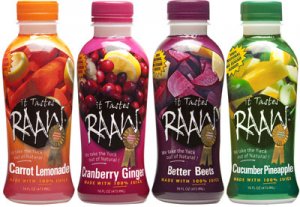
I've heard many good things about beets over the years, today I learned that beet juice may also be good for dementia/memory. I never ate beets, didn't like the looks or smell of them, but I was a picky eater when I was young. My husband says he likes beet salads with sliced onion, and he'd be happy if I made him one someday. Have to look into getting some beets, at least for hubby if I don't like them.
Was just shopping at the health food store, I use a lot of supplements and get some food items there too. I brought home a bottle of "Love Beets" Organic beet juice. Will be trying it soon, and hopefully it will improve the ol' memory. More here.
Was just shopping at the health food store, I use a lot of supplements and get some food items there too. I brought home a bottle of "Love Beets" Organic beet juice. Will be trying it soon, and hopefully it will improve the ol' memory.
More here.One recent study in 40 healthy people showed that they were able to better perform on cognitive tests 90 minutes after drinking 450 mL beetroot juice compared with placebo (apple/blackcurrant juice, which is low in nitrates).
What I really like about this study is that brain performance can be improved fairly rapidly in healthy people with a simple activity like drinking beetroot juice (high in dietary nitrates, which leads to more nitric oxide to open up oxygen flow in the brain)."
The abstract below goes into greater depth as to the plausible mechanism behind beet juice's observed beneficial effects:What I really like about this study is that brain performance can be improved fairly rapidly in healthy people with a simple activity like drinking beetroot juice (high in dietary nitrates, which leads to more nitric oxide to open up oxygen flow in the brain)."
Nitrate derived from vegetables is consumed as part of a normal diet and is reduced endogenously via nitrite to nitric oxide. It has been shown to improve endothelial function, reduce blood pressure and the oxygen cost of sub-maximal exercise, and increase regional perfusion in the brain.
The current study assessed the effects of dietary nitrate on cognitive performance and prefrontal cortex cerebral blood-flow (CBF) parameters in healthy adults. In this randomised, double-blind, placebo-controlled, parallel-groups study, 40 healthy adults received either placebo or 450ml beetroot juice (~5.5mmol nitrate).
Following a 90minute drink/absorption period, participants performed a selection of cognitive tasks that activate the frontal cortex for 54min. Near-Infrared Spectroscopy (NIRS) was used to monitor CBF and hemodynamics, as indexed by concentration changes in oxygenated and deoxygenated-haemoglobin, in the frontal cortex throughout.
The bioconversion of nitrate to nitrite was confirmed in plasma by ozone-based chemi-luminescence. Dietary nitrate modulated the hemodynamic response to task performance, with an initial increase in CBF at the start of the task period, followed by consistent reductions during the least demanding of the three tasks utilised. Cognitive performance was improved on the serial 3s subtraction task.
These results show that single doses of dietary nitrate can modulate the CBF response to task performance and potentially improve cognitive performance, and suggest one possible mechanism by which vegetable consumption may have beneficial effects on brain function."
The current study assessed the effects of dietary nitrate on cognitive performance and prefrontal cortex cerebral blood-flow (CBF) parameters in healthy adults. In this randomised, double-blind, placebo-controlled, parallel-groups study, 40 healthy adults received either placebo or 450ml beetroot juice (~5.5mmol nitrate).
Following a 90minute drink/absorption period, participants performed a selection of cognitive tasks that activate the frontal cortex for 54min. Near-Infrared Spectroscopy (NIRS) was used to monitor CBF and hemodynamics, as indexed by concentration changes in oxygenated and deoxygenated-haemoglobin, in the frontal cortex throughout.
The bioconversion of nitrate to nitrite was confirmed in plasma by ozone-based chemi-luminescence. Dietary nitrate modulated the hemodynamic response to task performance, with an initial increase in CBF at the start of the task period, followed by consistent reductions during the least demanding of the three tasks utilised. Cognitive performance was improved on the serial 3s subtraction task.
These results show that single doses of dietary nitrate can modulate the CBF response to task performance and potentially improve cognitive performance, and suggest one possible mechanism by which vegetable consumption may have beneficial effects on brain function."