If you need memory help like me.😄

Pauline1954

Member
Ive been on this supplements since March. And as usual I have done a ton of research. So if you are interested do research and if you decide you want to try it, get it FAST. JAN 1, 2022 its being banned to the otc market. Read the rest for more info.

There are so many benefits to taking this amino acid besides helping,with memory. Its really incredible. I buy it in bulk supplements. Its in powder form and can last for a couple years. One 1.1 pound bag has 833 doses. 2.2 pound bag is 71$ with a 10$ discount on anything over 50$ free shipping. So I got mine today for 61.34. Instead of buying from their website I get it on walmart website that has lots of vendors and ebay. I got a discount and free shipping on ebay. Walmart did not have the same discount thats why i opted for ebay oourchase this time. Only problem is they are banning OTC sales as of January 1, 2022. It was used and still being used as a way to kick covid. So fda is taking it away from otc market. You would need to get it through your doctor.

Studies have shown that NAC shows properties in crossing the BBB, in the protection of brain mitochondria, and in counteracting the memory loss because of age. This has been observed by analyzing increased activities of Complex I in mitochondria of pre-synaptic terminals of aged mice [54,64].

https://www.ncbi.nlm.nih.gov/pmc/articles/PMC6320789/#sec4-molecules-23-03305title
 

I had not thought about sharing this information until now. I regret not thinking about this and sharing months ago. It has helped me in many ways.

Memory, mood, sleep, recalling, energy, asthma. When I get up in the morning I am awake and sometimes I wont even get a cup of coffee. My husband likes me more now. 😁 I am not or WAS not a morning person. Well before 10am. Since the day I started NAC for short March 2021, I havent stayed in bed past 8am. 😀
 
Don't want to rain on your parade, but it's important that some people realise the side effects too of any OTC drug...
Particularly people who suffer from life threatening conditions like Diabetes...for example..

Of course everyone should do their own research before buying anything that's recommended online... but just for those who need to know ...

1. Spikes Blood Sugar

Maltodextrin can cause spikes in your blood sugar because it has a high glycemic index. This can be particularly dangerous for people with diabetes symptoms or insulin resistance, as indicated in research published in Nutrients.

Maltodextrin’s glycemic index is even higher than table sugar, ranging from 106 to 136 (while table sugar is 65).

Easily absorbed carbohydrates like maltodextrin and sugar get into your bloodstream quickly, and if the carbs aren’t used for energy, they’re stored as fat.

This is very different than real complex carbohydrates from whole grains that are broken down and absorbed slowly, helping to keep you feeling full and energized for a longer period of time.

2. Suppresses the Growth of Probiotics

Maltodextrin can change the composition of your gut bacteria by suppressing the growth of beneficial probiotics.

Research conducted at Lerner Research Institute in Ohio relays polysaccharides like maltodextrin have been linked to bacteria-associated intestinal disorders. According to researchers, the escalating consumption of polysaccharides in Western diets parallels an increased incidence of Crohn’s disease during the late 20th century.

A 2012 study found that maltodextrin increased bacterial adhesion to human intestinal epithelial cells and enhanced E. coli adhesion, which is associated with autoimmune disorders.

Even more research points out that maltodextrin promotes the survival of salmonella, which may be responsible for a broad range of chronic inflammatory diseases.


3. Made from Genetically Modified Corn

Although the Food and Drug Administration does not require safety testing for genetically modified organisms (GMOs), increasing independent research has linked them to a number of health issues, including Alzheimer’s disease, cancer, kidney damage, antibiotic resistance, reproduction disorders and allergies.

According to research published in Critical Reviews in Food Science and Nutrition, genetically modified foods may toxically affect several bodily organs and systems, including the pancreatic, renal, reproductive and immunologic parameters.

Because corn maltodextrin is made by processing corn with enzymes and the United States Department of Agriculture found that 85 percent of corn planted in the U.S. is genetically modified to be tolerant to herbicides, it’s most likely that the maltodextrin you eat is a genetically modified food.

4. May Cause an Allergic Reaction or Side Effects


A 2013 study published in the Journal of Nutritional Science and Vitaminology noted that maltodextrin consumption, especially at higher doses, may cause gastrointestinal symptoms, such as gurgling sounds, gas and even diarrhea.

There have also been reports of other allergic reactions to maltodextrin, such as skin irritations, cramping and bloating.

Maltodextrin is sometimes made with wheat, but the production process is said to completely remove gluten from the wheat, making it “safe” to eat for people with celiac disease or gluten intolerance symptoms.

During the processing of maltodextrin, all proteins are removed, including gluten, but there may still be traces of gluten in products containing maltodextrin. This can be dangerous for people suffering some celiac disease or a gluten intolerance.
 

Don't want to rain on your parade, but it's important that some people realise the side effects too of any OTC drug...
Particularly people who suffer from life threatening conditions like Diabetes...for example..

Of course everyone should do their own research before buying anything that's recommended online... but just for those who need to know ...

1. Spikes Blood Sugar

Maltodextrin can cause spikes in your blood sugar because it has a high glycemic index. This can be particularly dangerous for people with diabetes symptoms or insulin resistance, as indicated in research published in Nutrients.

Maltodextrin’s glycemic index is even higher than table sugar, ranging from 106 to 136 (while table sugar is 65).

Easily absorbed carbohydrates like maltodextrin and sugar get into your bloodstream quickly, and if the carbs aren’t used for energy, they’re stored as fat.

This is very different than real complex carbohydrates from whole grains that are broken down and absorbed slowly, helping to keep you feeling full and energized for a longer period of time.

2. Suppresses the Growth of Probiotics

Maltodextrin can change the composition of your gut bacteria by suppressing the growth of beneficial probiotics.

Research conducted at Lerner Research Institute in Ohio relays polysaccharides like maltodextrin have been linked to bacteria-associated intestinal disorders. According to researchers, the escalating consumption of polysaccharides in Western diets parallels an increased incidence of Crohn’s disease during the late 20th century.

A 2012 study found that maltodextrin increased bacterial adhesion to human intestinal epithelial cells and enhanced E. coli adhesion, which is associated with autoimmune disorders.

Even more research points out that maltodextrin promotes the survival of salmonella, which may be responsible for a broad range of chronic inflammatory diseases.


3. Made from Genetically Modified Corn

Although the Food and Drug Administration does not require safety testing for genetically modified organisms (GMOs), increasing independent research has linked them to a number of health issues, including Alzheimer’s disease, cancer, kidney damage, antibiotic resistance, reproduction disorders and allergies.

According to research published in Critical Reviews in Food Science and Nutrition, genetically modified foods may toxically affect several bodily organs and systems, including the pancreatic, renal, reproductive and immunologic parameters.

Because corn maltodextrin is made by processing corn with enzymes and the United States Department of Agriculture found that 85 percent of corn planted in the U.S. is genetically modified to be tolerant to herbicides, it’s most likely that the maltodextrin you eat is a genetically modified food.

4. May Cause an Allergic Reaction or Side Effects


A 2013 study published in the Journal of Nutritional Science and Vitaminology noted that maltodextrin consumption, especially at higher doses, may cause gastrointestinal symptoms, such as gurgling sounds, gas and even diarrhea.

There have also been reports of other allergic reactions to maltodextrin, such as skin irritations, cramping and bloating.

Maltodextrin is sometimes made with wheat, but the production process is said to completely remove gluten from the wheat, making it “safe” to eat for people with celiac disease or gluten intolerance symptoms.

During the processing of maltodextrin, all proteins are removed, including gluten, but there may still be traces of gluten in products containing maltodextrin. This can be dangerous for people suffering some celiac disease or a gluten intolerance.

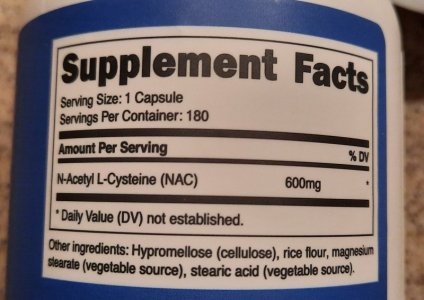
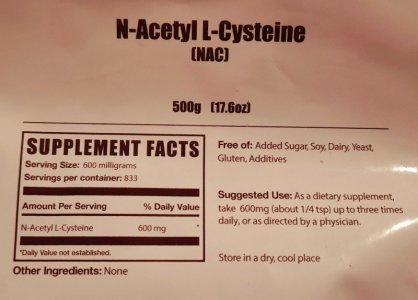
If you get the powder form there are no additives. And if you get the gel capsules all those interested in knowing whats in it can read the lable. Ive attached two pictures same product but different companies. But one is in capsule form showing the other ingredients that are in the capsule. The other image show the only ingredient is the powder form amino acid. If others need help maybe ask a family member or a friend or even their doctor about this amino acid supplement.
 

Attachments

  • 20211119_192259.jpg
    20211119_192259.jpg
    85.3 KB · Views: 2
  • 20211119_192247.jpg
    20211119_192247.jpg
    66 KB · Views: 2
Don't want to rain on your parade, but it's important that some people realise the side effects too of any OTC drug...
Particularly people who suffer from life threatening conditions like Diabetes...for example..

Of course everyone should do their own research before buying anything that's recommended online... but just for those who need to know ...

1. Spikes Blood Sugar

Maltodextrin can cause spikes in your blood sugar because it has a high glycemic index. This can be particularly dangerous for people with diabetes symptoms or insulin resistance, as indicated in research published in Nutrients.

Maltodextrin’s glycemic index is even higher than table sugar, ranging from 106 to 136 (while table sugar is 65).

Easily absorbed carbohydrates like maltodextrin and sugar get into your bloodstream quickly, and if the carbs aren’t used for energy, they’re stored as fat.

This is very different than real complex carbohydrates from whole grains that are broken down and absorbed slowly, helping to keep you feeling full and energized for a longer period of time.

2. Suppresses the Growth of Probiotics

Maltodextrin can change the composition of your gut bacteria by suppressing the growth of beneficial probiotics.

Research conducted at Lerner Research Institute in Ohio relays polysaccharides like maltodextrin have been linked to bacteria-associated intestinal disorders. According to researchers, the escalating consumption of polysaccharides in Western diets parallels an increased incidence of Crohn’s disease during the late 20th century.

A 2012 study found that maltodextrin increased bacterial adhesion to human intestinal epithelial cells and enhanced E. coli adhesion, which is associated with autoimmune disorders.

Even more research points out that maltodextrin promotes the survival of salmonella, which may be responsible for a broad range of chronic inflammatory diseases.


3. Made from Genetically Modified Corn

Although the Food and Drug Administration does not require safety testing for genetically modified organisms (GMOs), increasing independent research has linked them to a number of health issues, including Alzheimer’s disease, cancer, kidney damage, antibiotic resistance, reproduction disorders and allergies.

According to research published in Critical Reviews in Food Science and Nutrition, genetically modified foods may toxically affect several bodily organs and systems, including the pancreatic, renal, reproductive and immunologic parameters.

Because corn maltodextrin is made by processing corn with enzymes and the United States Department of Agriculture found that 85 percent of corn planted in the U.S. is genetically modified to be tolerant to herbicides, it’s most likely that the maltodextrin you eat is a genetically modified food.

4. May Cause an Allergic Reaction or Side Effects


A 2013 study published in the Journal of Nutritional Science and Vitaminology noted that maltodextrin consumption, especially at higher doses, may cause gastrointestinal symptoms, such as gurgling sounds, gas and even diarrhea.

There have also been reports of other allergic reactions to maltodextrin, such as skin irritations, cramping and bloating.

Maltodextrin is sometimes made with wheat, but the production process is said to completely remove gluten from the wheat, making it “safe” to eat for people with celiac disease or gluten intolerance symptoms.

During the processing of maltodextrin, all proteins are removed, including gluten, but there may still be traces of gluten in products containing maltodextrin. This can be dangerous for people suffering some celiac disease or a gluten intolerance.
Not sure if Pauline1954 was talking about maltodextrin which is a carbohydrate. NAC is an amino acid. Two different things.:)
 
Not sure if Pauline1954 was talking about maltodextrin which is a carbohydrate. NAC is an amino acid. Two different things.:)
No I wasnt. But I do know so many things have slipped garbage into the drugs. However as you have pointed out NAC is an amino acid and does not need garbage like sweet taste in it. 🙂


Back
Top