
What's the difference between a hotdog and table salt. Almost like clockwork problem joints are swelling and/or retaining fluid after eating hotdogs. Table salt I can make it snow I don't get the same issues. What exactly is in a hotdog besides lots of salt and fat that could cause swelling, fluid retention etc.

You are using an out of date browser. It may not display this or other websites correctly.
You should upgrade or use an alternative browser.
You should upgrade or use an alternative browser.
Difference between table salt and contents of a hotdog(causing swelling)
- Thread starter WhatInThe
- Start date

Knight
Well-known Member
One brand. From a person on https://www.quora.com
This is what’s in a Hebrew National All Natural Hotdog: Beef, Water, Contains 2% Or Less Of: Salt, Spice, Distilled Vinegar Powder, Paprika, Cultured Celery Powder, Garlic Powder, Cherry Powder, Sea Salt. Who knew that hotdogs were made with cherry powder? Note that they contain both salt and sea salt. Not great if you’re watching your sodium levels. Cultured celery powder is a way of assuaging the fears of people trying to avoid nitrates and nitrites in cured meat product.
https://www.quora.com/How-are-hot-dogs-made
I guess researching the brand you eat would be the way to find out.
This is what’s in a Hebrew National All Natural Hotdog: Beef, Water, Contains 2% Or Less Of: Salt, Spice, Distilled Vinegar Powder, Paprika, Cultured Celery Powder, Garlic Powder, Cherry Powder, Sea Salt. Who knew that hotdogs were made with cherry powder? Note that they contain both salt and sea salt. Not great if you’re watching your sodium levels. Cultured celery powder is a way of assuaging the fears of people trying to avoid nitrates and nitrites in cured meat product.
https://www.quora.com/How-are-hot-dogs-made
I guess researching the brand you eat would be the way to find out.

Judycat
Well-known Member
- Location
- Pennsylvania
- Ascorbic acid/Sodium ascorbate - Also known as Vitamin C, helps speed up the curing reaction between sodium nitrite and the meat. Per USDA regulation it is not permitted for use with Uncured Products (No Nitrites Added except celery juice powder). This ingredient is effective and used at very small amounts. Research has shown that including Vitamin C with sodium nitrite effectively prevents the formation of carcinogenic nitrosamines in fried bacon.
- Autolyzed Yeast Extract - Flavor enhancer derived from yeast and used to add a savory meaty flavor.
- Beef - Most commonly pieces of meat cut away from steaks or roasts. It is then very finely ground and mixed with other spices. Variety meats or organ meats are not typically used in hot dogs or sausages and if organs are used, the specific organ will be included in the ingredients statement on the package and the front of the package will declare “with variety meats” or “with meat byproducts.”
- Beef Stock - Key ingredient in soup, most commonly made by cooking beef bones in water. May be added to achieve a “meatier” flavor.
- Celery powder - Dried, ground concentrate prepared from fresh celery, which is naturally rich in nitrate. Celery powder can be a curing ingredient in place of sodium nitrite. It is commonly found in “uncured” or organic products. It can also be added as a spice. Cultured Celery powder has nitrite. Cultured celery powder has the same effects and benefits as sodium nitrite regarding: 1) anti-oxidant which inhibits rancidity development; gives cured meats their characteristic pink color and their unique cured taste; and 3) inhibits many dangerous bacteria helping make the hot dogs much safer.
- Cherry Powder - Finely ground powder extracted from cherries. In hot dogs it may be used to assist with color development and stability and as a source of Vitamin C, which helps speed up the curing process.
- Citric acid - A naturally occurring acid in citrus fruits and tomatoes commonly used to control the acidity of products.
- Collagen casing - An edible casing alternative to hog or sheep intestines. Made from beef proteins.
- Dextrose - A sugar found naturally in fruits and honey, which can also be derived from starch (this might be labeled as “cultured dextrose”). It enhances flavor and browning during cooking.
- Flavoring - Flavors to add a depth of taste. These are typically concentrated extracts derived from herbs, spices and vegetables.
- Garlic puree - Pureed cloves of garlic.
- Hydrolyzed vegetable protein - A flavor enhancer produced by boiling and breaking down cereals or legumes, such as soy, corn, or wheat, in hydrochloric acid into their component amino acids.
- Lactate/diacetate - Salts (sodium or potassium) derived from organic acids that inhibit growth of bacteria and enhance safety. Lactate is made in our bodies as part of normal metabolism. As an ingredient, it is manufactured from corn by fermentation. Diacetate is a form of vinegar which is also manufactured by fermentation.
- Lauric arginate - Prevents bacterial growth. It is a derivative of lauric acid which is commonly found in coconut and palm kernel oils, the amino acid L-arginine and ethanol.
- Maltodextrin - A carbohydrate used to create even and consistent flavor. Maltodextrin evenly spreads flavors through a product so every mouthful tastes good. Most commonly made from corn. Brewers also use it in beer.
- Mechanically separated chicken/turkey - Chicken or turkey removed from the bones with specialized machines that use pressure to separate the meat. Since mechanically separated chicken or turkey is derived from poultry meat that is close to the bone, it can have slightly higher calcium content when compared to whole muscles. Because of this, USDA requires that it be included in the ingredients as “mechanically separated” when used.
- Modified food starch - A starch that has been modified so that it is a functional ingredient. Modified food starch is used as a thickener to give a consistent texture similar to how you might use corn starch at home. Most commonly made from corn, but also can be made from wheat or potatoes.
- Monosodium glutamate (MSG) - A flavor enhancer comprised simply of sodium and the amino acid glutamate, primarily made through fermentation of corn. Helpful as a way to reduce sodium in products as MSG contains only one-third the amount of sodium as table salt. Glutamate and MSG provide the savory “umami” flavor common in meats, ripe tomatoes and parmesan cheese (both of which contain naturally occurring MSG.) It must be declared as MSG on meat and poultry labels
- Natural Sheep Casing - Casing made from the cleaned intestines of a lamb.
- Oleoresin of Paprika - Technical name for paprika extract which is a natural food ingredient extracted from red peppers. Provides both flavor and natural red coloring.
- Phosphates - A naturally occurring form of the element phosphorus used in meat and poultry products for maintaining moisture in products to enhance juiciness and tenderness and prevent off flavors from developing in fat. Sodium or potassium phosphates most common in hot dogs.
- Pork - Most commonly pieces of meat cut away from larger cuts like chops or tenderloin. It is then very finely ground and mixed with other spices. “Variety meats” or organ meats are not typically used in hot dogs or sausages and if organs are used, the specific organ will be included in the ingredients statement on the package and the front of the package will declare “with variety meats” or “with meat byproducts.”
- Salt - Mined from the earth or obtained from sea water, salt is an essential ingredient in processed and cured meat products that adds flavor, texture, protects against bacteria and extends shelf life. Before refrigeration, salting of meat (done at very high concentrations) was essential in preventing spoilage.
- Smoke flavoring - A condensed form of smoke made by capturing and condensing smoke particles from burning woods, such as maple and hickory. Smoke flavoring is an alternative to smoking via the burning of wood during the cooking process. Smoke flavoring gives products a smoky taste without a grill.
- Sodium erythorbate - Having almost the exact chemical composition as Vitamin C (ascorbic acid), erythorbate provides exactly the same function as ascorbic acid. See Ascorbic acid above. Just as with ascorbic acid or sodium ascorbate, using sodium erythorbate with sodium nitrite effectively prevents the formation of carcinogenic nitrosamines in fried bacon. In contrast to a popular urban legend, erythorbate is NOT made from earthworms, though the U.S. Department of Agriculture reports receiving many inquiries about erythorbate’s source. It is speculated that the similarity in the spelling of the words “erythorbate” and “earthworms” has led to this confusion.
- Sodium nitrite - A ingredient responsible for curing, sodium nitrite is 1)anti-oxidant which keeps hot dogs from quickly going rancid; 2) gives cured meats their characteristic pink color and their unique cured taste; and 3) inhibits many dangerous bacteria helping make the hot dogs much safer. While the closely related “sodium nitrate” was commonly used in the decades past, today, nitrite is used almost exclusively to cure meats. Nitrite used in cured meats is extremely effective in preventing the deadly disease botulism. Interestingly, although consumers commonly think cured meats are the major source of nitrite in the diet, in reality, 93 percent of daily nitrite intake comes from vegetables and from saliva. Sodium nitrite is part of the normal nitrogen cycle in humans and the body actually produces and recirculates nitrate, which is converted to nitrite in our saliva. Scientists now think that humans may make nitrite as part of its bodily defenses. In some cases, processed products labeled “uncured” contain celery juice or other ingredients high in naturally occurring nitrite as a substitute for sodium nitrite made through a purification process.
- Sorbitol - A sugar substitute naturally found in fruits such as apples, pears, peaches, and prunes and can also be made from corn syrup
- Soy protein concentrate - Made from soybean flour after the sugar portion has been removed. Can be used to enhance texture and even make low-fat hot dogs.
- Spices - A variety of plant-derived spices are commonly added to processed meat products. The most common spices used include red, white and black pepper, garlic, coriander, cinnamon, cumin, nutmeg, paprika and allspice.
- Sugar and corn syrup - Sweeteners that add flavor and promote browning.
- Water - Water (or sometimes ice) is mixed in with the meat and spices to help blending. USDA regulations control how much water can be added to hot dogs.
- Yeast extract - A natural flavor derived from yeast which adds a savory taste.

katlupe
SF VIP
- Location
- Norwich, NY
I hardly ever eat them anymore. But all week I have had horrible swollen feet. Usually after one day of elevating and drinking more water they go back to normal or almost normal. Friday, my boyfriend (who is NOT supposed to eat them as he has bad swelling and is on water pills) brought a package of them with rolls (which I don't eat either, no breads) and we both ate FOUR that afternoon. He said he bought a better brand but it was not Nathan's or Hebrew National (the two brands I buy IF I buy them).
Would the swelling last this long? 4 days. I will never eat another one ever.
Would the swelling last this long? 4 days. I will never eat another one ever.

I really dislike hot dogs, and now I can pass on hot dogs with a very good reason.
- Ascorbic acid/Sodium ascorbate - Also known as Vitamin C, helps speed up the curing reaction between sodium nitrite and the meat. Per USDA regulation it is not permitted for use with Uncured Products (No Nitrites Added except celery juice powder). This ingredient is effective and used at very small amounts. Research has shown that including Vitamin C with sodium nitrite effectively prevents the formation of carcinogenic nitrosamines in fried bacon.
- Autolyzed Yeast Extract - Flavor enhancer derived from yeast and used to add a savory meaty flavor.
- Beef - Most commonly pieces of meat cut away from steaks or roasts. It is then very finely ground and mixed with other spices. Variety meats or organ meats are not typically used in hot dogs or sausages and if organs are used, the specific organ will be included in the ingredients statement on the package and the front of the package will declare “with variety meats” or “with meat byproducts.”
- Beef Stock - Key ingredient in soup, most commonly made by cooking beef bones in water. May be added to achieve a “meatier” flavor.
- Celery powder - Dried, ground concentrate prepared from fresh celery, which is naturally rich in nitrate. Celery powder can be a curing ingredient in place of sodium nitrite. It is commonly found in “uncured” or organic products. It can also be added as a spice. Cultured Celery powder has nitrite. Cultured celery powder has the same effects and benefits as sodium nitrite regarding: 1) anti-oxidant which inhibits rancidity development; gives cured meats their characteristic pink color and their unique cured taste; and 3) inhibits many dangerous bacteria helping make the hot dogs much safer.
- Cherry Powder - Finely ground powder extracted from cherries. In hot dogs it may be used to assist with color development and stability and as a source of Vitamin C, which helps speed up the curing process.
- Citric acid - A naturally occurring acid in citrus fruits and tomatoes commonly used to control the acidity of products.
- Collagen casing - An edible casing alternative to hog or sheep intestines. Made from beef proteins.
- Dextrose - A sugar found naturally in fruits and honey, which can also be derived from starch (this might be labeled as “cultured dextrose”). It enhances flavor and browning during cooking.
- Flavoring - Flavors to add a depth of taste. These are typically concentrated extracts derived from herbs, spices and vegetables.
- Garlic puree - Pureed cloves of garlic.
- Hydrolyzed vegetable protein - A flavor enhancer produced by boiling and breaking down cereals or legumes, such as soy, corn, or wheat, in hydrochloric acid into their component amino acids.
- Lactate/diacetate - Salts (sodium or potassium) derived from organic acids that inhibit growth of bacteria and enhance safety. Lactate is made in our bodies as part of normal metabolism. As an ingredient, it is manufactured from corn by fermentation. Diacetate is a form of vinegar which is also manufactured by fermentation.
- Lauric arginate - Prevents bacterial growth. It is a derivative of lauric acid which is commonly found in coconut and palm kernel oils, the amino acid L-arginine and ethanol.
- Maltodextrin - A carbohydrate used to create even and consistent flavor. Maltodextrin evenly spreads flavors through a product so every mouthful tastes good. Most commonly made from corn. Brewers also use it in beer.
- Mechanically separated chicken/turkey - Chicken or turkey removed from the bones with specialized machines that use pressure to separate the meat. Since mechanically separated chicken or turkey is derived from poultry meat that is close to the bone, it can have slightly higher calcium content when compared to whole muscles. Because of this, USDA requires that it be included in the ingredients as “mechanically separated” when used.
- Modified food starch - A starch that has been modified so that it is a functional ingredient. Modified food starch is used as a thickener to give a consistent texture similar to how you might use corn starch at home. Most commonly made from corn, but also can be made from wheat or potatoes.
- Monosodium glutamate (MSG) - A flavor enhancer comprised simply of sodium and the amino acid glutamate, primarily made through fermentation of corn. Helpful as a way to reduce sodium in products as MSG contains only one-third the amount of sodium as table salt. Glutamate and MSG provide the savory “umami” flavor common in meats, ripe tomatoes and parmesan cheese (both of which contain naturally occurring MSG.) It must be declared as MSG on meat and poultry labels
- Natural Sheep Casing - Casing made from the cleaned intestines of a lamb.
- Oleoresin of Paprika - Technical name for paprika extract which is a natural food ingredient extracted from red peppers. Provides both flavor and natural red coloring.
- Phosphates - A naturally occurring form of the element phosphorus used in meat and poultry products for maintaining moisture in products to enhance juiciness and tenderness and prevent off flavors from developing in fat. Sodium or potassium phosphates most common in hot dogs.
- Pork - Most commonly pieces of meat cut away from larger cuts like chops or tenderloin. It is then very finely ground and mixed with other spices. “Variety meats” or organ meats are not typically used in hot dogs or sausages and if organs are used, the specific organ will be included in the ingredients statement on the package and the front of the package will declare “with variety meats” or “with meat byproducts.”
- Salt - Mined from the earth or obtained from sea water, salt is an essential ingredient in processed and cured meat products that adds flavor, texture, protects against bacteria and extends shelf life. Before refrigeration, salting of meat (done at very high concentrations) was essential in preventing spoilage.
- Smoke flavoring - A condensed form of smoke made by capturing and condensing smoke particles from burning woods, such as maple and hickory. Smoke flavoring is an alternative to smoking via the burning of wood during the cooking process. Smoke flavoring gives products a smoky taste without a grill.
- Sodium erythorbate - Having almost the exact chemical composition as Vitamin C (ascorbic acid), erythorbate provides exactly the same function as ascorbic acid. See Ascorbic acid above. Just as with ascorbic acid or sodium ascorbate, using sodium erythorbate with sodium nitrite effectively prevents the formation of carcinogenic nitrosamines in fried bacon. In contrast to a popular urban legend, erythorbate is NOT made from earthworms, though the U.S. Department of Agriculture reports receiving many inquiries about erythorbate’s source. It is speculated that the similarity in the spelling of the words “erythorbate” and “earthworms” has led to this confusion.
- Sodium nitrite - A ingredient responsible for curing, sodium nitrite is 1)anti-oxidant which keeps hot dogs from quickly going rancid; 2) gives cured meats their characteristic pink color and their unique cured taste; and 3) inhibits many dangerous bacteria helping make the hot dogs much safer. While the closely related “sodium nitrate” was commonly used in the decades past, today, nitrite is used almost exclusively to cure meats. Nitrite used in cured meats is extremely effective in preventing the deadly disease botulism. Interestingly, although consumers commonly think cured meats are the major source of nitrite in the diet, in reality, 93 percent of daily nitrite intake comes from vegetables and from saliva. Sodium nitrite is part of the normal nitrogen cycle in humans and the body actually produces and recirculates nitrate, which is converted to nitrite in our saliva. Scientists now think that humans may make nitrite as part of its bodily defenses. In some cases, processed products labeled “uncured” contain celery juice or other ingredients high in naturally occurring nitrite as a substitute for sodium nitrite made through a purification process.
- Sorbitol - A sugar substitute naturally found in fruits such as apples, pears, peaches, and prunes and can also be made from corn syrup
- Soy protein concentrate - Made from soybean flour after the sugar portion has been removed. Can be used to enhance texture and even make low-fat hot dogs.
- Spices - A variety of plant-derived spices are commonly added to processed meat products. The most common spices used include red, white and black pepper, garlic, coriander, cinnamon, cumin, nutmeg, paprika and allspice.
- Sugar and corn syrup - Sweeteners that add flavor and promote browning.
- Water - Water (or sometimes ice) is mixed in with the meat and spices to help blending. USDA regulations control how much water can be added to hot dogs.
- Yeast extract - A natural flavor derived from yeast which adds a savory taste.

horseless carriage
Well-known Member
Judycat's reply is a real eye opener. Almost scared the pants off me. But the point is simple, too much salt is bad for you. An adult's daily intake should be no more than six grams, that's about one small, level teaspoonful. The average hot dog sausage contains around five and three quarter grams. That's ok then, it's less than the recommended six grams. Not quite, the bread that the bun is made from contains two and three quarter grams, now you are almost fifty percent over the recommended limit.
Processed foods all contain dangerously high levels of salt, manufacturers know it, so to stop you worrying and keep on buying, they use salt's other name, sodium. It sounds Latin, kind of posh, must be good for you. My wife and I don't eat, any sausages, bacon, bread, cheese, burgers and whole lot more that would send you to sleep if I listed them. High levels of salt is up there with alcohol & tobacco, it's a killer.
Processed foods all contain dangerously high levels of salt, manufacturers know it, so to stop you worrying and keep on buying, they use salt's other name, sodium. It sounds Latin, kind of posh, must be good for you. My wife and I don't eat, any sausages, bacon, bread, cheese, burgers and whole lot more that would send you to sleep if I listed them. High levels of salt is up there with alcohol & tobacco, it's a killer.

Aunt Bea
SF VIP
- Location
- Near Mount Pilot
I know hot dogs aren’t good for me but I love them!
I try to ward off evil spirits by adding a salad or an extra serving of vegetables during the day.

I try to ward off evil spirits by adding a salad or an extra serving of vegetables during the day.
horseless carriage
Well-known Member
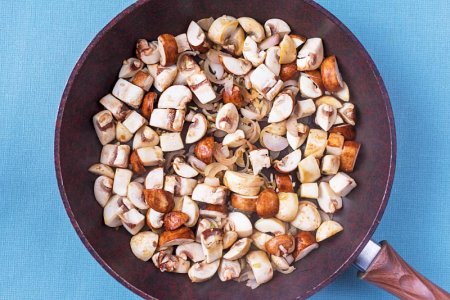
Tonight I cooked mushrooms, shallots and garlic.
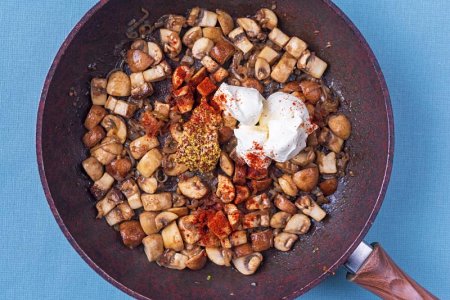
Then I added, creme fraiche, tomato puree, mustard, paprika and cayenne pepper.
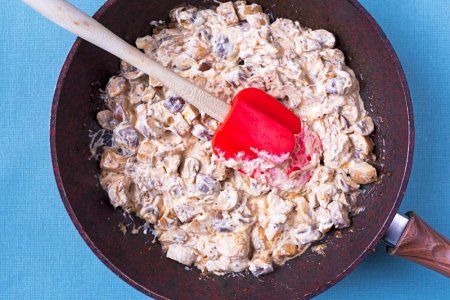
Mixed all together, stirring it constantly.
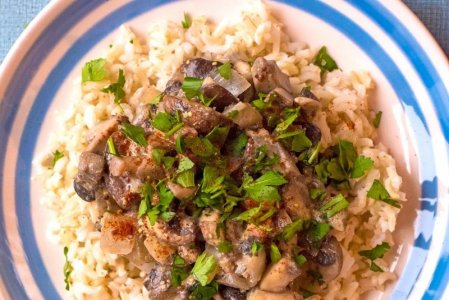
Before serving it on a bed of rice with a parsley garnish.
The salt content? Only what was sprinkled on from the salt cruet.
The meal takes about fifteen minutes to prepare and twenty minutes to cook, start to finish.

Jules
SF VIP
Looks yummy, @horseless carriage Brits use a lot of creme fraiche. It’s not easy to find in Canada.