Dorset is home to
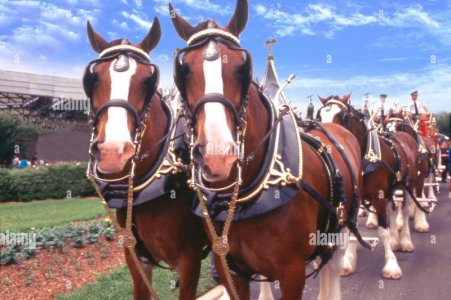
The Heavy Horse Centre.
Before the advent of trucks and trains, heavy horses, such as Shires, Clydesdales, and Suffolk Punches, were the primary engine of agriculture, commerce, and industry, particularly in Europe from the Middle Ages to the early 20th century.
Horses replaced oxen as the primary draught animal because they were faster and more agile. They were used to plow fields, harrow land, and pull wagons for heavy farm goods. Emerging from medieval warhorses, heavy horses were utilised for massive transportation needs, including carting up to 3 tons of coal, timber, and goods for the industrial revolution.
Before railroads, horse-drawn barges towed goods along canal towpaths, with a single horse able to pull up to 30 tons, significantly more than on roads. In cities, they powered everything from brewers' wagons to municipal services like fire engines and ambulances. Around 1900, cities like London relied on over 300,000 horses for transport. While they remained in use for local deliveries until the 1960's, the rise of motorised trucks and tractors from the 1920's onward rapidly made them obsolete. They were indispensable due to their sheer pulling power and ability to work in tandem, but were largely replaced after World War II as mechanisation improved.
You can see more of The Heavy Horse Centre by
clicking on this link. It's a video of the farm where these magnificent beasts live.