bobcat
Well-known Member
- Location
- Northern Calif
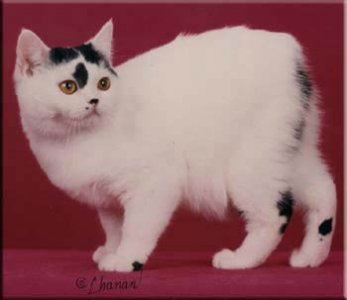
Hard to know all the reasons, but some of our ancestors didn't grow tails due to mutations. Many monkeys still have them, so I think the ones without tails probably found that it was easier to get around on the ground without the hindrance of a tail, and probably due to tall grasses, they needed to spend more time upright. Maybe food offerings on the ground played a role as well. IDK. I guess it's kinda like birds. Most have tails, but penguins don't.It raises a question for me: If a tail provided advantages, what evolutionary process would make losing it beneficial rather than harmful? What problem did losing the tail solve, or what tradeoff made it worth giving up?
I am forever amazed at the variations in animals. Condors can soar for hours, but hummingbirds can fly backwards, and woodpeckers can hammer holes in wood. Each mutation found something beneficial and went a different direction.