
Furryanimal
Y gath o Gymru
- Location
- Wales
January 26th
1972
Flight attendant Vesna Vulović survived the world’s highest fall without a parachute after falling 33,330 feet.
1936
Stalin and officials walked out of Lady Macbeth opera, calling it a “muddle,” not music.
1926
Scottish inventor John Logie Baird changed the world of communication and entertainment forever when he demonstrated television for the first time.
Source-The History of Wales
The Abermule train disaster on the 26th January 1921 resulted in the death of 17 people.
The crash was a head-on collision between a train from Whitchurch and another from Aberystwyth, which arose from a miscommunication, which allowed both trains onto a section of the line that was single tracked.
The subsequent enquiry found that safety measures had been relaxed and resulted in major changes to railway safety procedures.
1907 A riot broke out in the Abbey Theatre, Dublin, on the first night of J.M. Synge’s Playboy of the Western World, when the audience took offence at the ‘foul language’. The riots continued for a week, but the show went on, heavily guarded by police.
1962 - ClassicBands.com
January 26
Bishop Joseph A. Burke of the Buffalo, New York Catholic Diocese bans the Twist, in any form, from all of his school's functions. In a directive sent to the city's Catholic schools, the bishop said, "For a number of reasons, not the least of which is the development of pupils in a proper sense of decorum and good taste, the current popular dance, commonly referred to as "the twist is not to be permitted at any school or parish dance."
The ban would gradually disappear after Burke passed away the following October.
1841 Hong Kong Kong was proclaimed British sovereign territory.
1871 The Rugby Football Union was formed, in London, by an initial 20 clubs.
Source-the history of Wales
On this day 1788, Mary Watkins, a 20 year old from the Vale of Glamorgan, along with four Welshmen men and two other women from Wales, were passengers of the six convict ships that had docked in Port Jackson (now known as Sydney) and a deputation had been sent ashore to establish the first permanent European colony on the Australian continent.
Mary's adventure had begun after being sentenced to seven years transportation overseas for stealing sixpence worth of clothing. She was boarded onto the "Friendship" in Portsmouth and the fleet set sail on 13 May 1787. Conditions on board were harsh and food soon ran short, as officials organising the trip had underestimated what was needed for the 8-month voyage.
1972
Flight attendant Vesna Vulović survived the world’s highest fall without a parachute after falling 33,330 feet.
1936
Stalin and officials walked out of Lady Macbeth opera, calling it a “muddle,” not music.
1926
Scottish inventor John Logie Baird changed the world of communication and entertainment forever when he demonstrated television for the first time.
Source-The History of Wales
The Abermule train disaster on the 26th January 1921 resulted in the death of 17 people.
The crash was a head-on collision between a train from Whitchurch and another from Aberystwyth, which arose from a miscommunication, which allowed both trains onto a section of the line that was single tracked.
The subsequent enquiry found that safety measures had been relaxed and resulted in major changes to railway safety procedures.
1907 A riot broke out in the Abbey Theatre, Dublin, on the first night of J.M. Synge’s Playboy of the Western World, when the audience took offence at the ‘foul language’. The riots continued for a week, but the show went on, heavily guarded by police.
1962 - ClassicBands.com
January 26
Bishop Joseph A. Burke of the Buffalo, New York Catholic Diocese bans the Twist, in any form, from all of his school's functions. In a directive sent to the city's Catholic schools, the bishop said, "For a number of reasons, not the least of which is the development of pupils in a proper sense of decorum and good taste, the current popular dance, commonly referred to as "the twist is not to be permitted at any school or parish dance."
The ban would gradually disappear after Burke passed away the following October.
1841 Hong Kong Kong was proclaimed British sovereign territory.
1871 The Rugby Football Union was formed, in London, by an initial 20 clubs.
Source-the history of Wales
On this day 1788, Mary Watkins, a 20 year old from the Vale of Glamorgan, along with four Welshmen men and two other women from Wales, were passengers of the six convict ships that had docked in Port Jackson (now known as Sydney) and a deputation had been sent ashore to establish the first permanent European colony on the Australian continent.
Mary's adventure had begun after being sentenced to seven years transportation overseas for stealing sixpence worth of clothing. She was boarded onto the "Friendship" in Portsmouth and the fleet set sail on 13 May 1787. Conditions on board were harsh and food soon ran short, as officials organising the trip had underestimated what was needed for the 8-month voyage.
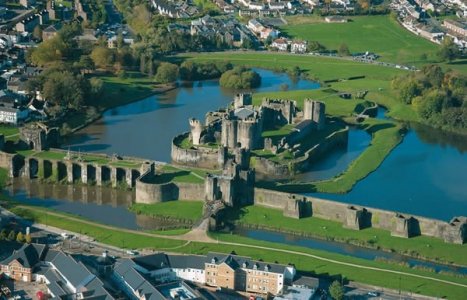


 On January 31, 1968, this unique Pacific island gained its sovereignty. From its rich history to its stunning coral reefs, there is so much to love about this tiny nation.