

You are using an out of date browser. It may not display this or other websites correctly.
You should upgrade or use an alternative browser.
You should upgrade or use an alternative browser.
Who Knew? Some Fun Facts
- Thread starter RadishRose
- Start date





Go Illini!!!One of our greatest accomplishments: U of I students create 'couch car'

Mrlez
New Member
Unfortunately, pangolins are also among the most heavily trafficked animals in the world because their scales are used in some traditional medicine markets and their meat is considered a delicacy in some regions. Many species are endangered.
Mrlez
New Member
Can you tell us more about Adders. I never knew about them until I saw this. Thanks for letting us know and I wish you could tell us more

Paladin1950
Still love 50's & 60's music!
- Location
- Mohawk Valley, NY
Just because a pastry is called a Danish, it doesn't mean that it was made in Denmark by a Danish pastry chef.

Paladin1950
Still love 50's & 60's music!
- Location
- Mohawk Valley, NY
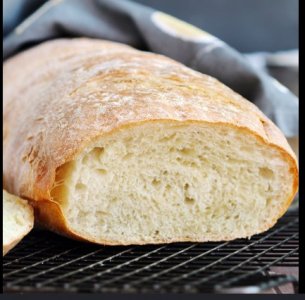
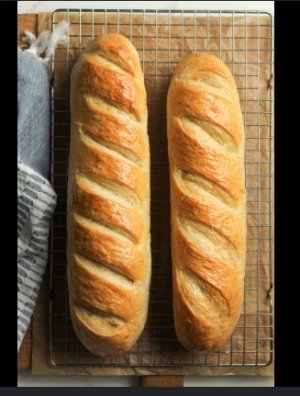
The Italian and French bread that you buy at your local grocery store, were actually made by Americans.
Sorry that's all I know about them.Can you tell us more about Adders. I never knew about them until I saw this. Thanks for letting us know and I wish you could tell us more

Ask Google, Google knows everything.Can you tell us more about Adders. I never knew about them until I saw this. Thanks for letting us know and I wish you could tell us more
Mike.

OldFeller
Well-known Member
- Location
- Pennsylvania, USA
Wikipedia:
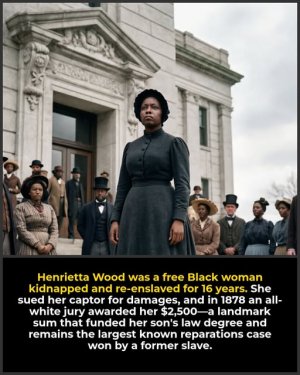
"In 1870, Wood began the litigation process to sue Zebulon Ward in federal court in Cincinnati. The trial, Wood v. Ward, took place in 1878, presided over by Judge Philip Swing. Wood and her lawyer, Harvey Myers, asked for $20,000 in restitution, and the jury awarded her $2,500, which she received in 1879. The amount is equal to $65,000 in 2019 dollars, and remains the largest award ever given for slavery reparations. Her case was championed by Lafcadio Hearn of The Cincinnati Commercial."
I was pretty sure her trial wouldn't have taken place in the South.

OldFeller
Well-known Member
- Location
- Pennsylvania, USA
Day in the Life of a Female Rickshaw Puller in Japan
Captions in English

No idea why but I found this fascinating.
Jerry West's silhouette was used as the basis for the NBA logo, though the league has never officially confirmed this. The logo was designed in 1969 by Alan Siegel, who later acknowledged that the image was taken from a photograph of West.
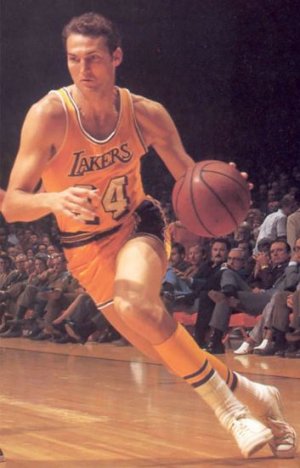
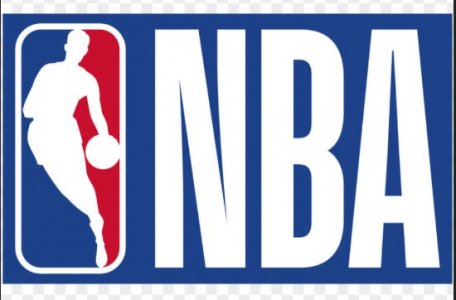
Jerry West's silhouette was used as the basis for the NBA logo, though the league has never officially confirmed this. The logo was designed in 1969 by Alan Siegel, who later acknowledged that the image was taken from a photograph of West.






Pappy
Living the Dream
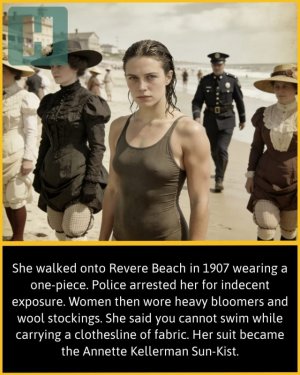

StarSong
Awkward is my Superpower
- Location
- Sunny Southern California ♥
This is a photo of Kellerman in the swimsuit that prompted her fame:
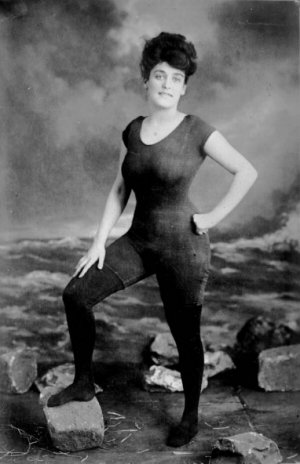
Interesting story of her life: Annette Kellerman: The Taboo-Breaking Badass Who Harvard Called 'The Perfect Woman'

Murrmurr
SF VIP
- Location
- Sacramento, California
This is a photo of Kellerman in the swimsuit that prompted her fame:
View attachment 503750
Revere Beach is also famous for a riot.
On a hot August night in 1920, a riot broke out when a Revere police officer arrested a US sailor for drunken disorderliness. Other sailors rushed the arresting officer, and when the officer tried to fight them off, some marines backed the sailors, triggering a group of army soldiers to back the marines, then a bunch of civilians jumped in and the arrest of one drunken sailor turned into the Revere Beach Riot of 1920.
Within a half-hour, about 400 US servicemen surrounded the police station, hurling rocks and firing non-lethal rounds from guns they took from all the beach-carnival shooting galleries. (I’d like to have seen that)
The Revere Police captain requested help from federal troops at Fort Banks and the Boston Navy Yard, and the nearby Chelsea Police Department sent a bunch of their officers to help bring order.
A Fort Banks army unit poised with fixed bayonets cordoned the police station, sailors from the navy yard helped police clear the streets and the beach, and the US Navy ordered the arrest of every drunken sailor in Revere.
By morning, over 100 sailors had been arrested, a bunch of police and civilians were being treated for injuries, mostly from flying rocks, and the police station suffered broken windows and smashed furniture.
Last edited:
Murrmurr
SF VIP
- Location
- Sacramento, California
The Appian Way is one of the earliest and strategically most important Roman roads of the ancient republic.
In 71 BC, after crushing the largest slave rebellion in Roman history, a general named Marcus Licinius Crassus ordered tall wooden crosses be erected, 1 every 100 feet, until the Appian Way was lined with wooden crosses from end to end.
6,000 slaves died on the Appian Way crosses – assurance that surviving and future slaves understood the cost of attempting freedom.
In 71 BC, after crushing the largest slave rebellion in Roman history, a general named Marcus Licinius Crassus ordered tall wooden crosses be erected, 1 every 100 feet, until the Appian Way was lined with wooden crosses from end to end.
6,000 slaves died on the Appian Way crosses – assurance that surviving and future slaves understood the cost of attempting freedom.

JeeperDon
Member
- Location
- New Mexico, USA
[Sorry, I never do Insta... Would be nice if the data showed up here automagically, like it does for YouTube links.]