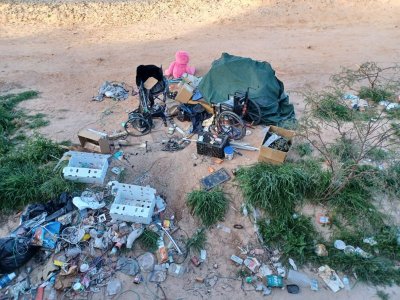
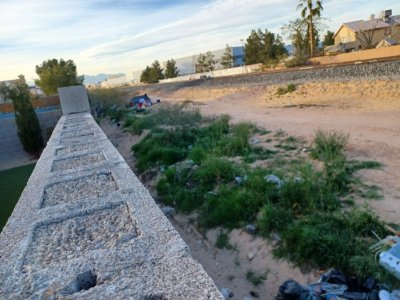
Messy
Member
We have something like that. Denmark is even better. They have almost no homeless people. But they also refuse to take any asylum seekers, so they're only kind to their own group.Good question...too massive for me.So for an experiment lets ask AI :
Moving from a system rooted in individual competition and private ownership toward one based on collective care is a massive structural shift. It essentially requires moving the goalpost of society from capital accumulation to human well-being.
To prepare for such a transition, a society would likely focus on decommodifying essentials—ensuring that the things people need to survive are treated as rights rather than products.
1. Decommodification of Basic Needs
In a "care-first" society, the market no longer determines who gets to eat or have a roof over their head. This involves:
- Universal Basic Services (UBS): Instead of just giving people cash (UBI) to spend in a private market, the state or community provides free access to transportation, high-speed internet, and utilities.
- Socialized Housing: Shifting from housing as an investment vehicle to housing as a human right. This could involve ending speculative real estate and creating high-quality, community-managed living spaces.
- Food Sovereignty: Establishing localized, non-profit food networks and community gardens to ensure nutritional security regardless of income.
2. Redefining "Work" and Value
Free-market capitalism values "productive" labor (things that create profit). A society focused on care would pivot to:
- The Care Economy: Elevating the status of "reproduction" work—raising children, elder care, and community maintenance—to the same level as industrial or tech work.
- Shorter Work Weeks: Reducing the standard hours of labor to allow citizens time to engage in "mutual aid" and democratic participation.
- Democratic Workplaces: Replacing private ownership of companies with worker cooperatives where decisions are made by those doing the labor, not external shareholders.
3. Universal Healthcare and Accessibility
Given your experience with peripheral neuropathy, you know firsthand that health isn't just about "fixing" a problem; it’s about long-term management and environmental adaptation. A care-based society would move toward:
- Social Model of Disability: Instead of expecting the individual to "fit" into a rigid economic system, the society adapts the infrastructure (public transit, workplace ergonomics, sensory-friendly spaces) to fit the person.
- Preventative and Holistic Care: Since the profit motive is removed, the focus shifts from selling expensive treatments to maintaining long-term wellness and providing robust support for chronic conditions.
4. Collective Ownership of Resources
Taking care of everyone requires managing the "Commons"—resources like land, water, and energy that belong to no one and everyone.
Feature Free Market Capitalism Collective Care Society Primary Goal Profit Growth Human & Ecological Flourishing Resource Allocation Ability to Pay Human Need Property Private / Exclusive Common / Social Success Metric GDP (Gross Domestic Product) GNH (Gross National Happiness) or Well-being Index How would we start?
The "preparation" phase usually begins with Mutual Aid networks. These are grassroots organizations where neighbors help neighbors—sharing tools, food, and medical supplies—proving that we can meet our needs through solidarity rather than transactions.
Would you like to explore how specific cities or countries have already successfully implemented "Universal Basic Services"?
Oh wait. Eeeeewww. That country is scary. Torben Söndergaard had to flee Denmark, because they would otherwise steal his children, but America locked him up for a year. Is there any not scary country left?
Denmark: 'We know where you sleep' homeless people are being registered with GPS transmitters October 21, 2024 | International, In the media Denmark: 'We know where you sleep' homeless people are being registered with GPS transmitters A frightening thought is becoming a reality in Denmark.
Every step of the homeless in the town of Odense is being recorded using GPS transmitters. They can then be traced at any time of day; it is known where they have been and where they are going. It sounds as if the idea must have been invented by a totalitarian regime seeking complete state control. But authorities in the Danish city of Odense are trying to calm the situation;
according to them, it is only a pilot project to improve social infrastructure. The project is intended to provide more insight into the daily lives of homeless people. Their movements and routines are analyzed so that support programs can be better tailored to their needs. Sociologists employed by the city argue that by examining the collected data, it can be determined, for example, where sanitary facilities, emergency shelters or meal distribution can be most effectively located, so that they achieve the best results.