Murrmurr
SF VIP
- Location
- Sacramento, California
Nonenal is an organic compound naturally produced by the human body and the primary source of the distinct scent often associated with Old People. Commonly characterized as greasy or grassy with a stale or musty quality, and often compared to the scent of old books or cooking oil that sat around for too long, the Old People smell is not the result of perspiration or poor hygiene, but a biological change that becomes more pronounced with age.
Nonenal odor tends to linger on fabrics and in enclosed spaces. And because 2-Nonenal is a fat-soluble compound, it binds to the lipids on the skin’s surface, making it difficult to wash away with standard soaps and body washes. It is often first detected at around age 40, and becomes more noticeable in later decades.
~ In Science Speak, the compound responsible for this odor is the unsaturated aldehyde 2-Nonenal, which is a direct result of lipid peroxidation, the oxidative degradation of lipids. This chemical reaction involves free radicals attacking the fatty acids found in sebum, the oily substance secreted by the skin’s sebaceous glands.
Specifically, 2-Nonenal is formed when omega-7 unsaturated fatty acids, such as palmitoleic acid, break down. Palmitoleic acid is a major component of the surface lipids on the skin, and its oxidative decomposition generates the volatile aldehyde. This action establishes 2-Nonenal as a biomarker for the oxidative stress occurring within the skin’s lipid layer. ~
Simply put (kind of), a decline in aging skin’s antioxidant enzymes exacerbates the oxidative breakdown of fatty acids and increases its vulnerability to the free radical damage of the peroxidation process. And that smells odd.
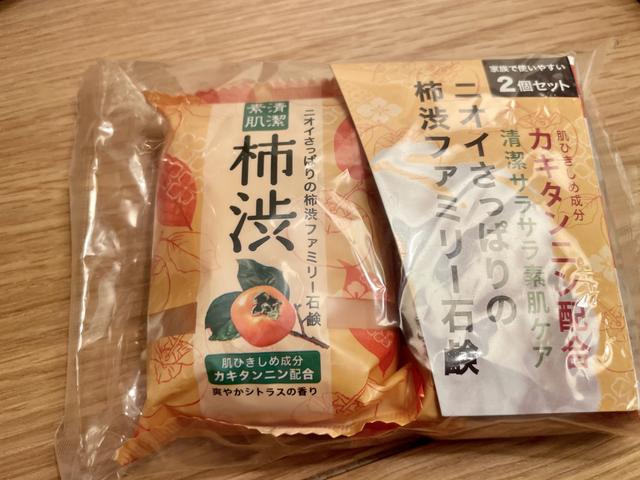
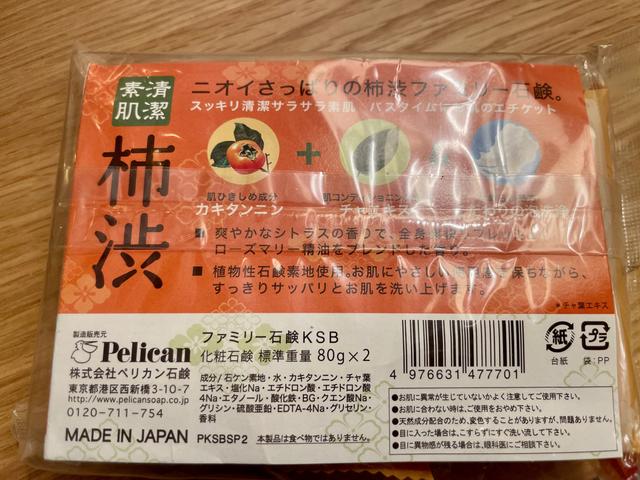
Though regular bathing with conventional soaps is only minimally and temporarily effective in removing Nonenal odor, many aged people say they’ve had great results using hygiene products that contain persimmon extract. And, logically, a diet rich in antioxidants, such as green tea, fruits, and leafy greens, will help maintain the body’s natural defenses against free radicals.
My shirt smells fine, but I should probably ask my wife if I smell Old...yet.
Nonenal odor tends to linger on fabrics and in enclosed spaces. And because 2-Nonenal is a fat-soluble compound, it binds to the lipids on the skin’s surface, making it difficult to wash away with standard soaps and body washes. It is often first detected at around age 40, and becomes more noticeable in later decades.
~ In Science Speak, the compound responsible for this odor is the unsaturated aldehyde 2-Nonenal, which is a direct result of lipid peroxidation, the oxidative degradation of lipids. This chemical reaction involves free radicals attacking the fatty acids found in sebum, the oily substance secreted by the skin’s sebaceous glands.
Specifically, 2-Nonenal is formed when omega-7 unsaturated fatty acids, such as palmitoleic acid, break down. Palmitoleic acid is a major component of the surface lipids on the skin, and its oxidative decomposition generates the volatile aldehyde. This action establishes 2-Nonenal as a biomarker for the oxidative stress occurring within the skin’s lipid layer. ~
Simply put (kind of), a decline in aging skin’s antioxidant enzymes exacerbates the oxidative breakdown of fatty acids and increases its vulnerability to the free radical damage of the peroxidation process. And that smells odd.
Though regular bathing with conventional soaps is only minimally and temporarily effective in removing Nonenal odor, many aged people say they’ve had great results using hygiene products that contain persimmon extract. And, logically, a diet rich in antioxidants, such as green tea, fruits, and leafy greens, will help maintain the body’s natural defenses against free radicals.
My shirt smells fine, but I should probably ask my wife if I smell Old...yet.