

I ran across this by accident and thought it might be of interest to someone. (Sometimes newpapers move their links, but you can probably Google it if you're interested.)
How Jimmy Stewart's agony in It's a Wonderful Life came from extreme PTSD he suffered after he lost 130 of his men as fighter pilot in WWII.
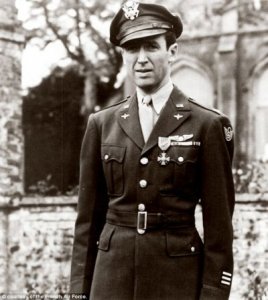
"Actor Jimmy Stewart was haunted by his memories from his time in the Air Force and suffered from PTSD when he returned from World War II. Stewart wrestled with the guilt of killing civilians in bomb raids over France and Germany and felt responsible for the death of his comrades. He never talked about his struggles and bottled up his emotions, but they came out when acting parts he chose when he returned to Hollywood. He tapped into his emotional distress during filming of It's a Wonderful Life, where his character George Bailey unravels in front of his family. Stewart's anguish is laid bare for the first time in Mission: Jimmy Stewart and the fight for Europe, by author Robert Matzen."
Stewart refused to discuss his combat missions and remained aloof about his service until the end of his life. In 1976 he returned to Tibenham, England, where he spent four months as a squadron commander.
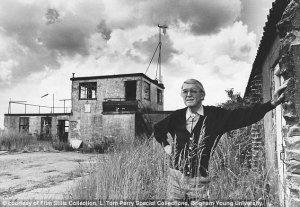
How Jimmy Stewart's agony in It's a Wonderful Life came from extreme PTSD he suffered after he lost 130 of his men as fighter pilot in WWII.
"Actor Jimmy Stewart was haunted by his memories from his time in the Air Force and suffered from PTSD when he returned from World War II. Stewart wrestled with the guilt of killing civilians in bomb raids over France and Germany and felt responsible for the death of his comrades. He never talked about his struggles and bottled up his emotions, but they came out when acting parts he chose when he returned to Hollywood. He tapped into his emotional distress during filming of It's a Wonderful Life, where his character George Bailey unravels in front of his family. Stewart's anguish is laid bare for the first time in Mission: Jimmy Stewart and the fight for Europe, by author Robert Matzen."
Stewart refused to discuss his combat missions and remained aloof about his service until the end of his life. In 1976 he returned to Tibenham, England, where he spent four months as a squadron commander.


