debodun
SF VIP
- Location
- way upstate in New York, USA



Who was St Patrick? When I learned more about him, I came to appreciate him. He brought Christianity to Ireland without resorting to force of arms. He forgave the land where he was enslaved as a youth.
Saint Patrick, the patron saint of Ireland, was a 5th-century Romano-British missionary who brought Christianity to Ireland and is celebrated worldwide on March 17.
Early Life and Background
Saint Patrick was born in Roman Britain around the late 4th century, likely in Wales or Scotland, into a Christian family; his father was a deacon and his grandfather a priest. At the age of 16, he was kidnapped by Irish raiders and sold into slavery in Ireland, where he spent six years tending sheep in captivity. During this time, he deepened his Christian faith through prayer and reflection.
Britannica+2
Escape and Missionary Work
Patrick eventually escaped after a dream encouraged him to flee, traveling approximately 200 miles to the coast and securing passage back to Britain. Later, he felt a divine calling to return to Ireland as a missionary, dedicating his life to converting the Irish to Christianity. He is credited with establishing churches, schools, and monasteries, and played a significant role in the Christianization of Ireland and parts of Britain.
Britannica+2
Legends and Symbolism
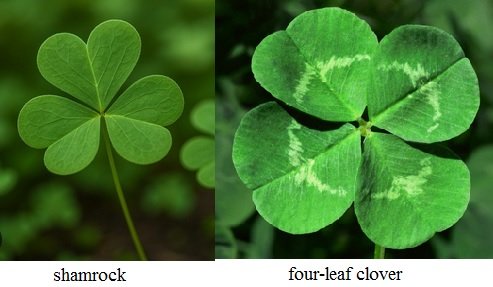
Many legends surround Saint Patrick. He is famously said to have driven all snakes from Ireland, though this is likely symbolic rather than literal. He also used the three-leafed shamrock to explain the Holy Trinity to converts. Some accounts even attribute miraculous acts to him, including raising people from the dead.
Britannica+1
Name and Canonization
Patrick’s birth name was likely Maewyn Succat, and he adopted the name Patrick later in life. Interestingly, he was never formally canonized by the Catholic Church, as he lived before the formal canonization process was established.
Wikipedia+1
Death and Feast Day
Saint Patrick is believed to have died on March 17, around 461 AD, in Saul, County Down, Ireland. His feast day, St. Patrick’s Day, is celebrated globally with religious services, parades, and cultural festivities, particularly emphasizing Irish heritage and symbols like green attire and shamrocks.
The Irish Road Trip+3
Cultural Impact
Saint Patrick’s legacy extends beyond religion; he is a symbol of Irish identity and culture. St. Patrick’s Day, originally a religious observance, has become a worldwide celebration of Irish culture, marked by parades, music, and festive gatherings. His story continues to inspire both historical interest and cultural pride.


I taught for 25 years in a catholic girls high school. It was run by Josephite sisters so we always celebrated St Joseph's Day on 19th March. Other catholic schools in the area celebrated St Pat's day on 17th.Seeing I'm from Irish heritage, we were Kelly's from Enniskillen, we used to celebrate St. Patrick's Day at our school. The Nun's would make everyone a small Shamrock or Irish Harp to pin on our uniforms. It was a school holiday because we went to
St. Patrick's School and Church. My boys played in a brass band and every year they were in the St.Patrick's Day celebrations.



My Irish(and Welsh) ancestors arrived in America in the 1650s.While I still have a few distant relatives left in Ireland, both sides, I might add, my family has been in America for almost 400 years now. So, I don't get all worked up over St. Patrick's Day here. It is a Holy Day in Ireland and when I've been there, I have observed it as such.
Mine as well, Nathan.My Irish(and Welsh) ancestors arrived in America in the 1650s.
Mine were later, 1850s -1900, on my Mom's side. Which I was raised with.Mine as well, Nathan.