What Supplements, Herbs or Vitamins Do You Take On A Daily Basis?

I can't imagine taking those many piles a day. My doctor said I only need Vitamin D.

I take the Vitamin D, plus Omega 3 and Glucosamin/Chondroitin (for osteoarthritis a day.

I get the rest of of vitamins through food.


" My doctor said I only need Vitamin D."

and yet...

"I take the Vitamin D, plus Omega 3 and Glucosamin/Chondroitin (for osteoarthritis a day. "

So apparently you see / feel a need he does not ?

Other folks feel a greater need for themselves....again it is all subjective.
 

I take Puritan's Pride 'One Daily Mens Multivitamin', Swanson 'Herbal Prostate Combo', and Nature's Way 'Siberian Eleuthero' capsules.
 
Webber's Natural Super Prostate, 1000mg Vitamin D (from October to April), 1000mg Turmeric, 34 grams of whey protein post workouts, Vitamin B Complex Vitamin, Omega 3, Baby Aspirin.
 

I'm supposed to be taking D, calcium, and B-12, preferably shots, but shots are too much trouble. I do the D when I think about it. Which reminds me, I need to get some calcium tablets. Once in a while pop a vitamin C if I have it on hand.
 
I take vitamin B, Cod liver oil and Evening Primrose oil capsules on alternative days and Spatone liquid Iron supplements once or twice a week
 
I'm surprised at so many people taking Vitamin D...

I decided that living in the Northern Hemisphere I probably need Vitamin D ( at least during the winter months)..along with the Vit C, and Zinc I take daily... so without consulting my Doctor I bought some just a week ago , only to be told by the pharmacist that unless I am African/ Caribbean/South Asian , ( which I'm not) or don't eat egg yolks or oily fish (which I do)... then I have no need for extra Vit D.. ( Cows Milk in this country is not fortified so it doesn't count even though I drink a lot of it).. so I'm confused as to whether to take the Vit D or not ..
 
I've been taking 5,000 IUs of D3, since the one time I paid to have my levels tested, they were lower than I wanted them to be. Vitamin D3 is good for the bones, muscles, arteries, eyes, heart, immune system, etc. More about it HERE.

In recent years vitamin D has emerged as a star of the “vitamin” world. For example, there are currently over 800 studies showing vitamin D’s effectiveness against cancer. Optimizing your vitamin D levels can literally cut your risk of several cancers by 50 percent!


Further, middle aged and elderly people with high levels of vitamin D could reduce their chances of developing heart disease or diabetes by 43 percent.


Scientists have actually identified a total of nearly 3,000 genes that are upregulated by vitamin D. Because vitamin D is actually a “prohormone,” which your body produces from cholesterol, it influences your entire body — receptors that respond to the vitamin have been found in almost every type of human cell, from your brain to your bones.


So what modern science has now realized is that vitamin D does more than just aid in the absorption of calcium and bone formation, it is also involved in multiple repair and maintenance functions, touches thousands of different genes, regulates your immune system, and much, much more.


Just one example of an important gene that vitamin D up-regulates is your ability to fight infections, as well as chronic inflammation. It produces over 200 antimicrobial peptides, the most important of which is cathelicidin, a naturally occurring broad-spectrum antibiotic.
This is one of the explanations for why it’s so effective against colds and influenza.


In addition, since vitamin D also modulates (balances) your immune response, it can prevent an overreaction in the form of inflammation, which can lead to a variety of autoimmune disorders, such as Crohn’s disease for example. Research has even uncovered that vitamin D may be an effective therapeutic agent to treat or prevent allergy to a common mold.


Among the many other benefits that research is revealing, low levels of vitamin D also double your risk of stroke, which is the third leading cause of death in the United States.


This adds to research that also found vitamin D deficiency is associated with arterial stiffness, a risk factor for heart disease and stroke. A separate study from Finland also found that those with the lowest vitamin D levels had a 25 percent higher risk of dying from heart disease or stroke, and when only stroke was looked at, those with the lowest levels had twice the risk as those with the highest.


So you can see that optimizing your vitamin D levels is easily one of the best ways to help prevent a myriad of diseases and conditions, ranging from heart disease, diabetes and cancer to autoimmune disorders, stroke, colds and flu.


63631-20180108.png
 
In my experience, nothing helps with bone density better than resistance training. Exercise is the bomb.

This what I have heard also, about bone density.

My problem with supplements is-

None of the OTC supplements or herbs are regulated. They could put as little of anything as they want. I heard there's a huge difference in prescription grade fish oil and OTC fish oil in freshness/effectiveness. Yet, I still take a multi-vitamin every day and 400 iu of D3. 500 of C once in a while. I used to take Biotin.

I don't trust the supplement pushers in giving us adequate ingredients. It's a multi-billion dollar empire now that doesn't have to answer to anyone. As long as no one gets hurt.
 
I take one 65+ vitamin. I have take a daily vitamin most of my life but I have never seen a single doc stating they help. I look forward to taking a 100+ vitamin someday but I fear I will forget to take them :confusion:
 
60 seconds in the sun is all the daily D you need.

Not always. It depends where you live.

Where I live the sun in winter doesn't give you the protection by converting the sunlight. Apparently the UV rays have something to do with it.

There is a study going on now where the incidence of MS is greater in Canada than other countries and it's supposed to be related to sunlight.
 
I take a multivitamin and a vitamin B complex Maxi.....But!!! My wife has asked me to ask a question. The wife suffers terribly with Hot flashes. She wanted to know if any of you ladies take any vitamins, supplement, etc for hot flashes. At this point, she has found no relief for this problem.
 
I take a multivitamin and a vitamin B complex Maxi.....But!!! My wife has asked me to ask a question. The wife suffers terribly with Hot flashes. She wanted to know if any of you ladies take any vitamins, supplement, etc for hot flashes. At this point, she has found no relief for this problem.


https://www.webmd.com/vitamins.../ingredientmono-857-BLACK+COHOSH.aspx


Read up on that & make your own decision, as I am not qualified to prescribe.

I [am a man] but did go through about a year of flashes [niacin related]...and it helped me, quite-a-bit.
 
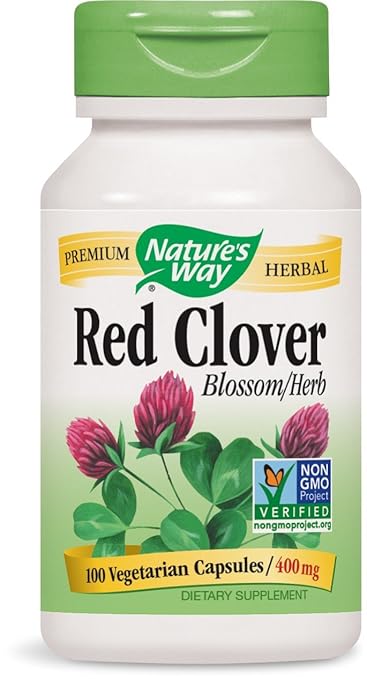
I used Red Clover Blossom herb throughout my menopause for hot flashes, it didn't eliminate them completely, but they were greatly diminished. If she's on any prescription meds or has any medical conditions, she should research before using for drug interactions or side effects. My mother had terrible hot flashes too, but back in the day there was no relief except flinging the window open, even in the dead of winter. :D

61QqJHm9tQL._SY679_.jpg
 
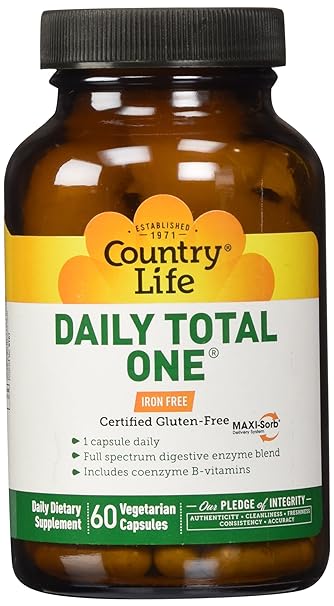
I take the Men over 50 vitamins because they don't have iron. Also calcium with D, magnesium, fish oil.
That's it, no meds.

I use an iron-free multi too, this one is for everybody, not just men. Solaray one daily is another brand that offers iron-free.

81roiR1vjaL._SY606_.jpg
 
This what I have heard also, about bone density.

My problem with supplements is-

None of the OTC supplements or herbs are regulated. They could put as little of anything as they want. I heard there's a huge difference in prescription grade fish oil and OTC fish oil in freshness/effectiveness. Yet, I still take a multi-vitamin every day and 400 iu of D3. 500 of C once in a while. I used to take Biotin.

I don't trust the supplement pushers in giving us adequate ingredients. It's a multi-billion dollar empire now that doesn't have to answer to anyone. As long as no one gets hurt.

Excellent post!! Thanks for being smart.
 
We both take a multi-vitamin, Krill Oil and few other ones. Just started taking a digestive capsule, but only during the night meal and not every night. And, we both now take Turmeric 500 capsule in the morning (wife) and morning/noon (me). The Turmeric 500 seems to go fine with using GoGreen CBD Balm and each enhances the other. Found out that Krill is much better to take then Fish Oil. Stopped taking Glucosamine Sulfate due to BG (blood glucose) rise in meter readings (we are both Diabetic II).

Can Boron being taken with Turmeric? Which is actually better? How much (mg's) of Turmeric is best to use, if using it, for Senior's in early 70's?

Thing is, how does a person really know when a supplement is working for them?
 
We both take a multi-vitamin, Krill Oil and few other ones. Just started taking a digestive capsule, but only during the night meal and not every night. And, we both now take Turmeric 500 capsule in the morning (wife) and morning/noon (me). The Turmeric 500 seems to go fine with using GoGreen CBD Balm and each enhances the other. Found out that Krill is much better to take then Fish Oil. Stopped taking Glucosamine Sulfate due to BG (blood glucose) rise in meter readings (we are both Diabetic II).

Can Boron being taken with Turmeric? Which is actually better? How much (mg's) of Turmeric is best to use, if using it, for Senior's in early 70's?

Thing is, how does a person really know when a supplement is working for them?

CR, you really should be asking a doctor these questions. For instance, I heard too much turmeric can be harmful, but don't remember where or how much.

How do you really know when a supplement is working? Ask a doctor for a blood test, is my suggestion,
 

Back
Top