Lawrence00
Senior Member
Learn something new every day. English muffins are NOT English. They are an American invention. The English have something called a Crumpet, and might use the stale ones to play something called Cricket 


A spoon can't hold as much butter as an English muffin.Have you just tried a spoon for that?


That would be a good advertising point!A spoon can't hold as much butter as an English muffin.


I sure wouldn't but Whole Foods again!!Out of curiosity, I once bought a package of crumpets from Whole Foods. My impression was of dry. flavorless English muffins with far fewer "nooks & crannies"


I'm pretty sure the Canadians use them to play Curling.Learn something new every day. English muffins are NOT English. They are an American invention. The English have something called a Crumpet, and might use the stale ones to play something called Cricket

That's the cool part I guess, because it works. I have even marveled at rice cakes because they are mostly air too. Even a bag of potato chips is probably 60% air and very little potato, but we love them. That being said, I don't think I'm quite ready to run out and buy bottled Rocky Mountain Spring Air. Although I might if I lived in a high-rise apartment in downtown L.A.Yeah, but don't the nooks and crannies make the butter, jam, marmalade, or whatever, sink better into the muffin?


In the UK we call them: Crisps, elsewhere they are known as: Chips. What they have in common is that the bags are intentionally filled with nitrogen gas to prevent them from being crushed and to keep them fresh, but this results in bags that are often more than 50% air. Packaged Foods such as pasta and crackers are similar to chips, many snack bags, such as pretzels, are notoriously packed with more air than product.Thomas' English Muffins. It promotes the product boasting all the "nooks and crannies"
As we all know, those are air pockets. They are selling you air ...... and you're happy to pay for it. Now that's genius.
Marketed specifically those guileless, with luminous vulnerability, who would believe anything.I'm still wondering what age-defying makeup, and anti-wrinkle cream is.
It seems like over-promising reality., but what do I know.
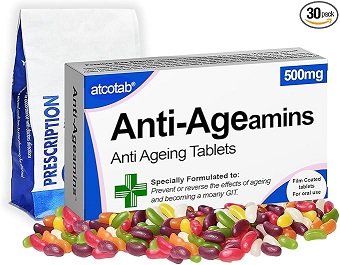

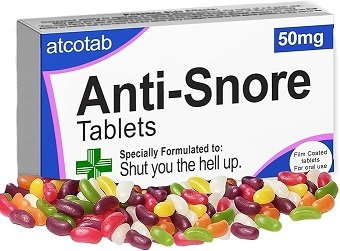

My ex-DIL had a complete black out, passed out cold on the floor at work from drinking nothing but the water withHere you go .........
View attachment 484378
To be fair, the creators know water doesn't have gluten or fat content, but the marketing worked. Even if it's marketed as a novelty, if it gets picked up by social media as a gag gift, it doesn't matter. It can still make money. The funny part is that it's not false advertising. Even marketing cholesterol-free broccoli is still being honest.

All I know about this company and their services is just from what you wrote. What it looks like to me is they have a program to help a person to handle the condition more than any cure for it.I see a lot of TV commercials for tinnitus relief from a company named Sound Relief Hearing Center. There is currently no cure for tinnitus, but this is how they treat theirsuckerser clients.
Their therapy protocol includes:
- Tinnitus Retraining Therapy (TRT): This is the core of their program. It uses a combination of directive counseling and sound therapy to "retrain" the brain to reclassify tinnitus sounds as neutral background noise.
- Cognitive Behavioral Therapy (CBT) Principles: They integrate CBT techniques to help patients manage the emotional and psychological impact of tinnitus, such as anxiety, stress, and sleep disruption. They have even incorporated an app-based CBT program called Oto to provide continuous support at home.
- Prescriptive Sound Therapy: Unlike generic white noise, they use customized sound generators (often wearable devices) calibrated to your unique hearing profile to help quiet the neural hyperactivity causing the tinnitus.
- Nervous System Regulation: The method includes strategies to calm the body's "fight or flight" response, which often intensifies the perception of tinnitus when a person is stressed.